
Bedford NH Property Taxes & Home Resale Value
Real Estate, Bedford NH, Property Taxes
How Bedford, NH Property Taxes Impact Your Home's Resale Value
Thinking about selling your home in Bedford, New Hampshire? Alongside square footage, school district, and kitchen finishes, there's another factor buyers quietly scrutinize: your property tax bill. In a high-demand market like Bedford, understanding how local taxes affect resale value can help you price smart, attract serious buyers, and protect your long-term return.
A Quick Snapshot of Bedford's Current Property Tax Landscape
Before you can judge the impact on resale value, it helps to know where Bedford's taxes stand today. The most recently finalized total property tax rate is $16.49 per $1,000 of assessed value, set in October 2025 and currently used as the working figure for 2026 as well (combining local school, town, state education, and county components). That represents a $0.68 increase, or about 4.3%, over the prior year (teamphinney.com; legalclarity.org).
For context, a home assessed at $750,000 would generate an annual tax bill around $12,368 at this rate—roughly $510 more than the year before (teamphinney.com). Bedford's median effective tax rate is about 1.58%, putting the median tax bill near $10,407, well above the national median of roughly $2,400 (ownwell.com). That means buyers relocating from other states often experience sticker shock when they first look at local tax bills.
Why Bedford's Classification System Matters to Homeowners
One of the most important—and least understood—features of Bedford's tax structure is its classification system. The town is allowed to shift more of the tax burden onto commercial and industrial properties, which effectively discounts the rate for homeowners. For the current year, the split looks like this (thebedfordcitizen.org):
Residential tax rate: $12.49 per $1,000
Commercial/Industrial/Personal Property (CIP) rate: $28.09 per $1,000
Estimated uniform rate without classification: about $16.05 per $1,000
In other words, without classification, residential tax bills would be almost 28.5% higher. For a typical Bedford homeowner, that's a major savings—and it directly influences how attractive your home looks compared with similar properties in neighboring communities that don't shift as much of the burden off residents.
💡 Pro Tip: When marketing your home, consider highlighting Bedford's residential rate and classification system in listing remarks or open-house materials for out-of-town buyers who may not realize homeowners are receiving a built-in discount.
How Property Taxes Shape Buyer Perception and Affordability
From a buyer's perspective, property taxes are part of the monthly cost of ownership, right alongside mortgage principal, interest, and insurance. In a rising-rate environment, even a few hundred dollars a month in taxes can make or break a buyer's budget. This is where taxes begin to influence your home's resale value:
Higher taxes reduce purchasing power. If two homes are similarly priced but one carries a noticeably higher tax bill, buyers may adjust their offers downward to keep their total payment the same—or bypass the higher-tax option altogether.
Buyers compare “effective tax rates,” not just the mill rate. Savvy buyers and their agents look at taxes as a percentage of market value, not just the posted rate. A home with a high assessed value but a fair tax rate may still feel affordable compared with a lower-priced property in a town with steeper rates.
The good news for Bedford sellers is that the town's taxes, while high by national standards, are competitive within Southern New Hampshire. Buyers who have already narrowed their search to the Manchester–Bedford–Merrimack corridor often see Bedford as offering strong value for the tax dollars they pay, especially when they factor in top-rated schools and convenient commuting routes (teamphinney.com; nhar-public.stats.showingtime.com).
The Trade-Off: Higher Taxes, Higher Amenities, Stronger Demand
Economists talk about “tax capitalization”: the idea that higher property taxes can be baked into lower sale prices over time. In some communities, that's exactly what happens—buyers discount their offers to account for years of higher tax payments. But Bedford is a textbook example of how strong local amenities can offset that effect.
Bedford's reputation for excellent public schools, well-maintained infrastructure, and quality town services continues to attract buyers, even with above-average tax bills. Current real estate data shows:
Average home values around $780,000+, with multiple sources reporting median sale prices between roughly $695,000 and well over $1 million, depending on property type and data source (Zillow, Realtor.com, NH REALTORS®, Houlihan Lawrence).
Homes often selling quickly—many going under contract in less than 2–3 weeks, and some in under a week—with sale-to-list ratios at or above 100% (teamphinney.com; realtor.com).
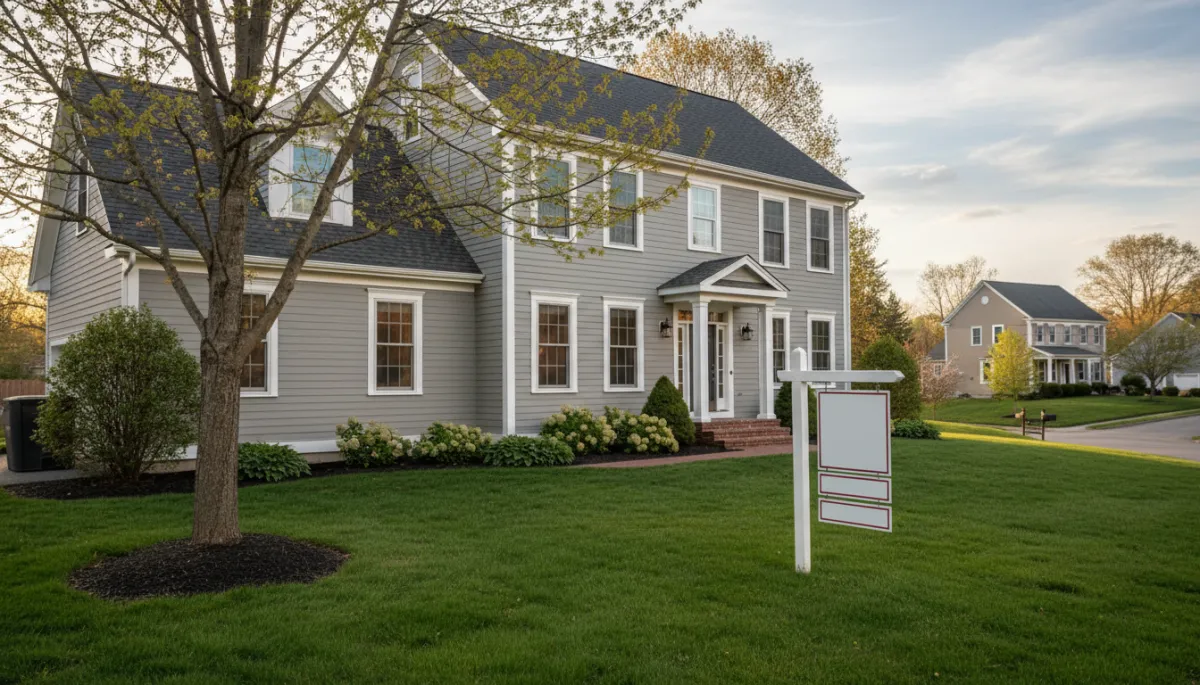
Strong buyer demand in Bedford often offsets concerns about higher property tax bills.
In this context, Bedford's property taxes function less like a drag on values and more like the price of admission to a high-performing community. Buyers may grumble about the bill, but they're still willing to pay a premium for homes here—and that supports your resale value.
Revaluation in 2026: What It Means for Assessments and Resale
Another key piece of the puzzle is Bedford's 2026 town-wide property revaluation. The town has hired Vision Government Solutions to update assessments, with new values expected in September 2026. After that, the New Hampshire Department of Revenue Administration will certify the final 2026 tax rate in the fall (bedfordnh.gov; legalclarity.org).
For homeowners, revaluation can feel unsettling: if your assessed value jumps, won't your tax bill skyrocket and scare away buyers? Not necessarily. If values town-wide rise significantly, the tax rate itself may drop to keep total tax revenue in line with the approved budget. What really matters is how your home's new assessment compares with the overall market:
If your assessment rises roughly in line with similar homes, your relative tax position—and your competitiveness at resale—is unlikely to change much.
If your assessment spikes more than comparable properties, your tax bill could become an outlier, which buyers may notice and factor into their offers.
📌 Key Takeaway: When you receive your new assessment, compare it to recent sale prices for similar homes in your neighborhood. If it looks high, you may have grounds to request an abatement—helping keep your tax bill (and your resale appeal) in check.
How Buyers “Price In” Taxes When Making Offers
In practical terms, here's how Bedford's property taxes show up in the resale conversation:
Monthly payment math. Buyers (and their lenders) look at the total projected payment, including taxes. If your taxes are higher than a similar listing a few streets away, you may need to be more flexible on price to keep the monthly number competitive.
Comparisons with nearby towns. Some buyers cross-shop Bedford with towns like Goffstown or Bow, where list prices can be lower but tax structures differ. Bedford's strong school system and amenities often win out, but your tax bill is part of that equation.
Long-term ownership costs. Buyers who plan to stay for 10–15 years are more likely to ask about revaluation cycles, historic rate changes, and available exemptions. Clear answers can build confidence and support a stronger offer.
Strategies to Protect Your Resale Value in a High-Tax Environment
You can't control Bedford's tax rate, but you can control how your specific tax situation looks to buyers—and how well you communicate the value they're getting in return. A few practical steps:
Verify your assessment. Make sure your property record card is accurate: square footage, bedroom count, finished basement, and condition ratings. Errors can inflate your assessment and, by extension, your tax bill and perceived cost of ownership.
Consider an abatement if warranted. If your assessment is clearly out of line with recent neighborhood sales, talk with a local real estate professional or tax specialist about filing for an abatement. A successfully reduced assessment can make your listing more competitive.
Highlight community benefits. In your listing description and at showings, connect the dots between taxes and services: high-performing schools, recreation programs, public safety, and infrastructure. When buyers see what they're paying for, the tax bill can feel more justified.
Know the exemptions. Seniors and some other groups may qualify for meaningful tax relief. For example, an 80-year-old homeowner with a $500,000 assessment could save over $3,000 per year under current exemptions (legalclarity.org). If your likely buyers are downsizing retirees, being able to explain these programs can soften concerns.
The Bottom Line for Bedford Homeowners
Bedford's property taxes are undeniably a significant line item in the cost of owning a home. Yet in the bigger picture of resale value, they are just one piece of a much larger puzzle. Thanks to the town's classification system, strong school district, and sustained buyer demand, taxes here tend to be absorbed into market pricing rather than dragging it down.
As a seller, your best move is to treat property taxes the same way serious buyers do: with clear numbers, local context, and an eye on long-term value. Stay informed about revaluation, keep your assessment accurate, and work with a real estate professional who can explain Bedford's tax story in a way that reassures, rather than alarms, potential buyers.
Done right, your property tax bill becomes less of a hurdle and more of a talking point—one that ultimately supports, rather than undermines, your home's resale value in one of Southern New Hampshire's most sought-after communities.